Top Organic Herbs for Body Treatment and Wellness
- derekreid823
- 4 hours ago
- 3 min read
In a world increasingly focused on natural remedies and holistic health, organic herbs have emerged as powerful allies in promoting wellness and treating various ailments. These plants not only enhance the flavor of our meals but also offer a plethora of health benefits. From soothing digestive issues to boosting immunity, the right herbs can significantly improve your overall well-being. In this post, we will explore some of the top organic herbs that can be used for body treatment and wellness, providing practical insights and examples to help you incorporate them into your daily routine.

Understanding the Power of Organic Herbs
Organic herbs are cultivated without synthetic fertilizers or pesticides, making them a safer choice for both your health and the environment. These herbs are rich in essential nutrients, antioxidants, and anti-inflammatory properties, which can support various bodily functions. By integrating organic herbs into your diet or wellness routine, you can harness their natural healing properties.
The Benefits of Using Organic Herbs
Natural Healing: Many organic herbs possess medicinal properties that can aid in healing various ailments.
Nutrient-Rich: They are often packed with vitamins, minerals, and antioxidants.
Versatile Uses: Organic herbs can be used in cooking, teas, tinctures, and topical applications.
Sustainable: Growing your own herbs or purchasing organic options supports sustainable agriculture.
Top Organic Herbs for Wellness
1. Basil
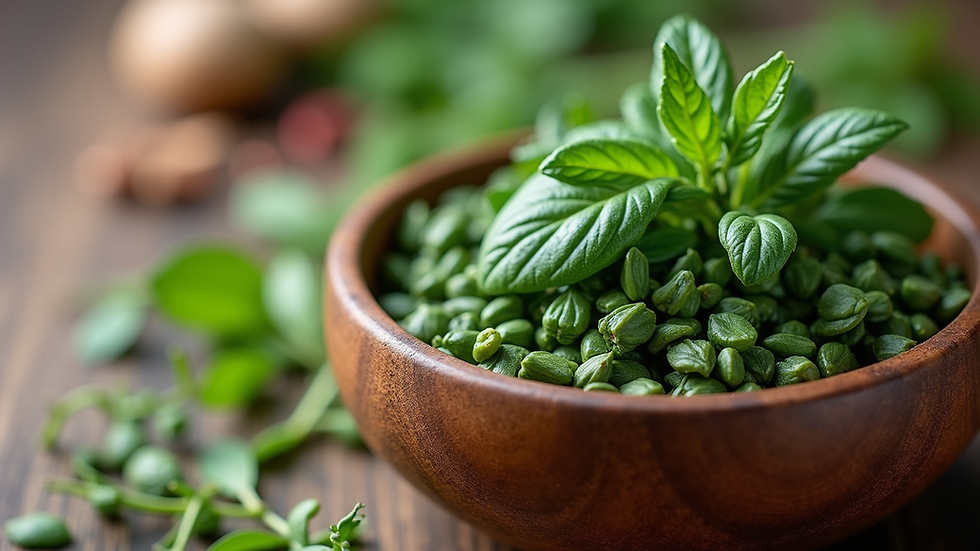
Basil is not just a culinary favorite; it also offers numerous health benefits. This aromatic herb is known for its anti-inflammatory and antibacterial properties. It can help alleviate digestive issues, reduce stress, and even support heart health.
How to Use: Add fresh basil to salads, pasta dishes, or smoothies. You can also brew basil tea by steeping fresh leaves in hot water.
2. Chamomile
Chamomile is renowned for its calming effects, making it an excellent choice for those struggling with anxiety or sleep issues. This herb contains antioxidants that may promote relaxation and improve sleep quality.
How to Use: Brew chamomile tea before bedtime to help you unwind. You can also use chamomile essential oil in a diffuser for a soothing atmosphere.
3. Ginger
Ginger is a powerful root known for its anti-inflammatory and digestive benefits. It can help alleviate nausea, reduce muscle pain, and even lower blood sugar levels.
How to Use: Incorporate fresh ginger into your cooking, or make ginger tea by boiling slices of the root in water. Ginger can also be consumed in smoothies or juices.
4. Peppermint
Peppermint is not only refreshing but also offers digestive support. It can help relieve headaches, improve concentration, and soothe digestive discomfort.
How to Use: Enjoy peppermint tea after meals to aid digestion. You can also use peppermint oil in aromatherapy to enhance focus and relieve tension.
5. Turmeric
Turmeric is a vibrant yellow spice known for its anti-inflammatory and antioxidant properties. Curcumin, the active compound in turmeric, has been studied for its potential to reduce inflammation and support joint health.
How to Use: Add turmeric to soups, stews, or smoothies. You can also make a turmeric latte by mixing turmeric powder with milk or a milk alternative.
Incorporating Organic Herbs into Your Daily Routine
Integrating organic herbs into your daily life can be simple and enjoyable. Here are some practical tips:
Cooking with Herbs
Fresh Herbs: Use fresh herbs in salads, sauces, and marinades for added flavor and health benefits.
Herb-Infused Oils: Create your own herb-infused oils by steeping herbs in olive oil. Use these oils for cooking or as salad dressings.
Herbal Teas
DIY Tea Blends: Experiment with different combinations of herbs to create your own tea blends. For example, mix chamomile and peppermint for a calming effect.
Cold Brew: Prepare cold herbal teas by steeping herbs in cold water overnight for a refreshing drink.
Topical Applications
Herbal Salves: Make your own salves using infused oils and beeswax to create natural remedies for skin irritations.
Bath Soaks: Add dried herbs like lavender or chamomile to your bath for a relaxing experience.
Safety and Considerations
While organic herbs offer numerous benefits, it is essential to use them responsibly. Here are some considerations:
Allergies: Be aware of any allergies you may have to specific herbs.
Medication Interactions: Some herbs can interact with medications. Consult with a healthcare professional if you are taking prescription drugs.
Quality Matters: Always choose high-quality organic herbs to ensure you are getting the best benefits.
Conclusion
Incorporating organic herbs into your wellness routine can lead to significant health improvements and enhance your overall quality of life. From basil to turmeric, these herbs offer a range of benefits that can support your body and mind. Start experimenting with these herbs today, and discover how they can transform your approach to health and wellness. Remember, the journey to better health is a personal one, and every small step counts.
Now that you are equipped with knowledge about these powerful herbs, consider growing your own or exploring local markets for fresh organic options. Your body will thank you!

Comments